Bodily Fluid Cleanup
Across care settings, commercial spaces and homes, bodily fluid cleanup includes disinfection.
See bodily fluid cleanupGet blood and bodily fluids removed from carpet, hard floors, walls, furniture or vehicles in Crescent Lake. The affected area is contained, cleaned and disinfected, with unsafe porous materials packaged for disposal.
A controlled process that clears blood and bodily fluids is called blood cleanup. It also covers surface cleaning, disinfection and disposal of anything that cannot remain safely.
Liquid from a blood spill can move beyond the mark you see. It may enter grout, carpet, furniture, seams or narrow spaces along a wall. The first part of professional cleaning is identifying every affected place and shielding nearby areas. Trained technicians assess the materials, removing porous items when needed and disinfecting hard surfaces that can stay.
An injury, workplace accident, medical event or another traumatic incident can create a need for biohazard remediation. Because blood may contain bloodborne pathogens, this work is not the same as routine home cleaning. The complete process includes protective equipment, controlled procedures and cautious disposal of waste.
The company should explain which materials can stay, which might be removed and the reason for each decision. Before you approve cleanup, learn how the crew determined the edge of the affected area.
Calls may be taken at any hour, while technicians arrive discreetly in unmarked vehicles. You can ask how access will be controlled around neighbors, customers or tenants.
Keepsakes and useful belongings should be discussed with you. Materials that can be isolated without risk should not be discarded as regular debris until you have been consulted.
Keep photos, an item list and proof of cleaning to show insurance companies the loss, then move forward with repairs.
When a spill is widespread, substantial or deeply absorbed, trying to clean it with household methods may be unsafe. Blood cleanup services are suited to situations such as:
Blood can pass through seat fabric into foam, reach carpet padding or collect in narrow trim gaps. Those layers require careful inspection and treatment.
A major event can spread contamination to several surrounding surfaces. Professional cleanup spares your loved ones from work that is both hard and potentially unsafe.
A household medical incident may leave blood on bathroom surfaces, carpet, bed linens or a trail through more than one room. A careful check is needed for each affected area.
For blood inside stores, shared buildings, offices or warehouses, the cleanup process needs access controls, protective gear and surface-specific steps.
Keep everyone clear of the blood first, and do not let it travel into clean areas. Use these precautions as you arrange professional cleanup:
Call (888) 351-0904Published guides show wide ranges for blood cleanup because a surface spot and a deep spill need very different work. Minor blood cleanup is listed at $500 to $2,500 while the smallest jobs start near $300 and deep spills can reach $4,000 in one guide. These are published ranges, not a quote. Your final cost depends on the materials the blood reached and the waste produced.
Published national cost guides are the source for these ranges, rather than an inspection of your property. The price for your property is set after the on-site assessment, and you hear it before work starts.
Ask about cost: (888) 351-0904Homeowners, renters, commercial or auto insurance may cover blood cleanup when the cause is a covered event, but the policy terms, deductible and circumstances decide the claim.
For affected workplaces and rental properties, an owner, manager or landlord might organize the cleaning. Who pays varies with the situation, policy and lease.
Find out which images, lists of affected belongings and cleaning records your insurance company requires. Do not dispose of contaminated belongings before receiving adjuster instructions unless they present a direct safety concern, and preserve your receipts.
Victims of violent crime can ask the Florida Attorney General's Bureau of Victim Compensation about cleanup, since its rules count crime scene cleanup costs as a compensable loss. Insurance is usually checked first.
Notify your insurance company about the event, then ask whether biohazard cleanup is covered along with removal of contaminated building materials. Save the claim number and adjuster details.
Professional blood cleanup uses an ordered process that shields clean spaces during treatment of the affected area. Each stage is shaped by the volume of blood and every material it touched.
Cleanup technicians inspect the visible stain, nearby surfaces and possible travel paths. Photos and written notes let the remediation process set the work boundaries ahead of cleaning.
The contaminated section is isolated from areas that remain clean. Technicians use proper protective gear and set separate movement paths for equipment and securely closed waste.
Deeply absorbed blood may require removal of porous materials such as carpet underlay, upholstery cushioning, raw timber or drywall.
Technicians clear away visible material before using a disinfectant. Technicians treat adjacent contact points, seams, outer edges and fasteners along with the main stained area.
Surfaces that can remain receive treatment using an EPA-registered disinfectant. Technicians keep the disinfected area wet as long as the product directions require.
The crew packages and labels removed material, then moves it to disposal in line with rules for that place and kind of cleanup.
The cause of an odor is identified ahead of any air treatment. Airborne particle control may include HEPA filtration while contaminated materials are being removed.
After an inspection of the cleaned area, equipment and barriers are taken down safely, and you get scope documentation for your records or claim.

Call any hour. A specialist in blood cleanup takes your call, explains each step and agrees on a start time with you.
Blood may contain pathogens, while the stain you can see may not reveal liquid absorbed into layers or porous materials.
Professional cleanup accounts for bloodborne pathogens that include HIV, hepatitis C and hepatitis B. Dried blood still needs caution because the CDC states that hepatitis B may live on surfaces for at least seven days.
You may find cleanup after trauma or a severe injury emotionally difficult. Leaving the work to cleanup crews can protect your health and reduce that burden.
Carpet underlay, raw wood, grout lines and furniture foam can absorb blood below the surface. A surface-only cleaning may miss contaminated materials and odor in the layers beneath.
Can you clean it yourself? A few drops on an intact, non-porous surface may be manageable with disposable gloves and an EPA-registered disinfectant used for its full label contact time. Professional cleanup is needed for blood on absorbent materials such as carpeting, unfinished timber or furniture, inside walls, around sharp items, or when the extent cannot be determined.
Sealed, hard surfaces are often suitable for cleaning and disinfection. If blood has soaked too deeply into a porous item for complete treatment, that material is taken out.
The OSHA Bloodborne Pathogens Standard, 29 CFR 1910.1030, sets requirements for worker exposure controls, protective equipment, training and related practices.
For blood cleanup, choose an EPA-registered disinfectant labeled for the specific purpose. Every labeled direction applies, especially how long the treated area must remain wet.
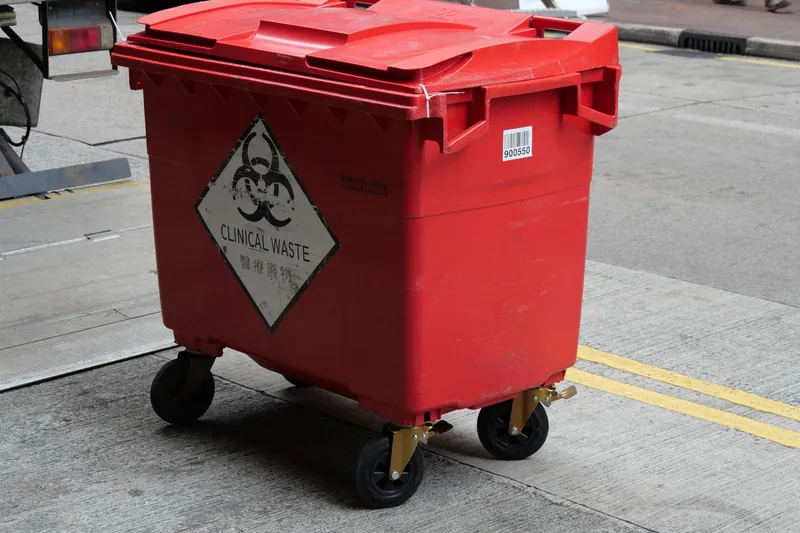
Florida calls it biomedical waste, and the term covers absorbent materials saturated with blood or body fluids. The Florida Department of Health's rules control packing, transport and treatment, so it cannot go in household trash.
Florida uses district medical examiners, with the Medical Examiners Commission under the Florida Department of Law Enforcement overseeing them. Cleanup starts after police or the medical examiner release the scene.
Blood cleanup can last several hours for a surface spill that remains contained. Work may extend to one or more days when blood has entered furniture, carpet padding or walls, or affected several rooms. An inspection must happen before the schedule can be estimated.
The full blood cleanup guide covers what is cleaned or removed, odor and air quality work, and the rules that apply in Florida and Pinellas County.
Read the full blood cleanup guideLocal housing, population and access details can shape containment, access and cleanup planning.
The nearest listed emergency facility is Orlando Health Bayfront Hospital, about 1.1 miles away, so medical care remains separate from property cleanup.
Crescent Lake sits close to Euclid-St Paul, Crescent Heights, and Historic Uptown. The exact address helps avoid mix-ups with similar street names in neighboring communities.
In Crescent Lake, identifying the correct building entrance can reduce unnecessary movement through shared spaces during a sensitive cleanup.
During your call, ask whether cleanup is available in surrounding communities and ZIP codes.
Across care settings, commercial spaces and homes, bodily fluid cleanup includes disinfection.
See bodily fluid cleanup
Blood, body fluids and other infectious materials are removed, followed by property disinfection.
See biohazard cleanup
Crime scene cleaning after police release the property, from blood to odor.
See crime scene cleanup
Trauma scene cleanup addresses the aftermath of accidents, injuries and violent incidents.
See trauma scene cleanup
Suicide cleanup is completed privately and with care, protecting families from seeing the scene.
See suicide cleanup
Homicide cleanup of blood, tissue and contaminated materials after investigators leave.
See homicide cleanup
Carpet and upholstered items receive biohazard cleaning or are removed safely if necessary.
See biohazard carpet and upholstery cleaning
Medical waste removal and disposal through approved treatment facilities.
See medical waste removalThat depends on the location and extent of the spill. You may remain in an isolated clean space if technicians can effectively contain the contaminated area. You may need to stay elsewhere until cleanup ends if contamination reaches shared access routes, air circulation or more than one room.
A homeowners or renters policy may cover blood cleanup when the event that caused the damage is covered. You still need to meet policy documentation rules, exclusions and the deductible. Call the insurance company to discuss biohazard remediation, then retain your affected-item list, cleanup records, photos and claim number.
Each pathogen survives for a different period under different conditions. The CDC says hepatitis B can survive on surfaces for at least seven days. A stain is not necessarily safe because it has dried. You should avoid contact, block off the area and clean dried blood using precautions equal to those for a fresh spill.
The inspection determines if blood remains at the top or has entered cushion foam, carpet pad, joints or the furniture frame. The outer surface may be treated, though heavily soaked foam beneath upholstery or carpeting often needs removal. The goal is to address all affected layers, not simply improve the visible stain.
The scope may range from treating one nonporous surface to removing absorbent materials in several rooms, which explains the broad figures in published guides. Minor jobs cost $500 to $2,500 in the guides, while jobs with blood below the surface reach $4,000 at the top of one guide. An assessment should identify the affected materials, disposal needs and work included for your specific property.
You should keep others back, use disposable gloves and prevent any movement that might spread or splash the blood. For a minor spill on an undamaged solid surface, clean first and apply an EPA-registered disinfectant for the complete contact time on its label. Professional inspection is needed for blood contamination in absorbent materials or crevices.
Respectful, discreet blood cleanup is available 24 hours a day, and crews arrive in unmarked vehicles.