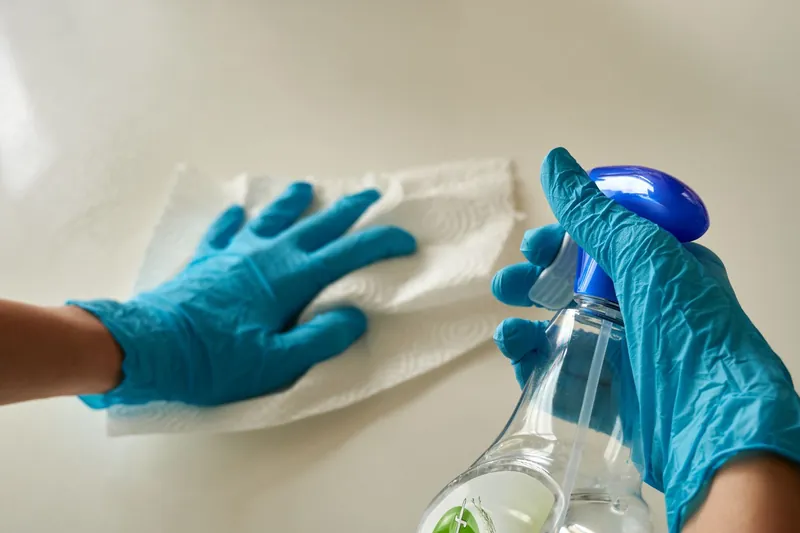
Blood Cleanup
Blood cleanup on carpet, hard floors, walls and furniture with safe disposal.
See blood cleanupGet blood and bodily fluids removed from carpet, rugs and upholstered furniture in Harris Park. Each layer is checked, and affected material is cleaned, disinfected or removed according to its condition.
Biohazard cleaning for upholstery and carpet addresses biological contamination both on soft surfaces and underneath them. Materials are disinfected if treatment is safe, or removed if they cannot be treated safely.
Appearance and soil are the focus of standard carpet cleaning, but a biohazard service looks beyond the surface. Its scope includes padding, carpet backing, subfloor and tack strips, as well as foam cushions and upholstery seams. Since vomit, feces, blood, urine and other bodily fluids can travel deeper than the visible area, technicians assess the concealed layers before determining what may stay.
Some recent, limited contamination may be cleanable when it remains accessible and the surface can tolerate the required treatment. Deeply soaked padding, foam or unfinished wood often cannot be fully reached with a cleaning machine. Those contaminated materials are removed, packaged and sent for waste disposal under the rules that apply to the job.
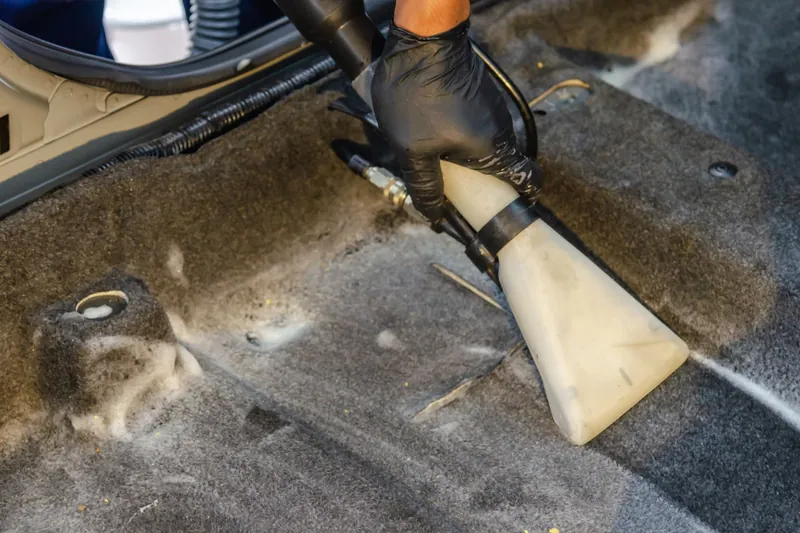
Photos, affected-item lists and records of the entire process can support your discussion with insurance companies and later restoration services.
The discussion should include any keepsakes or useful possessions that are affected. Cleanup crews should explain treatment limits before a valued rug or piece of furniture is placed with hazardous waste.
You can reach someone during the day or at night, and cleanup crews arrive in unmarked vehicles. You can ask how the work path and entry area will be kept private.
You should hear which layers were inspected, what can be cleaned and why any pad, foam or flooring needs removal before work moves forward.
Biohazard carpet cleaning services are needed when a biological material reaches a soft surface that routine cleaning cannot safely address. Common situations include:
Professional cleanup keeps loved ones from facing a difficult task and limits foot traffic that could carry contamination into surrounding areas.
Depending on the depth of contamination, an area rug may require careful cleaning, treatment underneath or removal when disinfection cannot reach affected layers.
Human and animal waste may contaminate the carpet and pad along with surrounding baseboards or belongings. Any independent odor removal follows source removal and disinfection.
A sofa, chair or carpet in a rental may need photos, an item record and a clear decision about cleaning versus removal for the property owner and insurance company.
Do not move the affected furniture or carpet, and prevent anyone from entering that area. As you arrange for a cleanup service, the following early actions can reduce spread:
Call (888) 351-0904No published guide gives a price for carpet and upholstery alone. For comparison, Fixr lists $3,000 to $5,000 as a typical national range for general biohazard cleanup, with smaller jobs starting near $1,500 and large jobs reaching $25,000 or more. These are not carpet cleaning prices. Your cost depends on how many layers the fluid reached and what must be removed.
These ranges come from published national cost guides, not from a site visit. An on-site assessment determines your property's price, which is explained to you before the cleanup starts.
Ask about cost: (888) 351-0904Homeowners, renters, commercial or auto insurance may cover biohazard carpet and upholstery work when the event that caused the contamination is covered, but the policy terms, deductible and circumstances control the claim.
Ask what photos, item lists and cleanup records the adjuster needs. Keep the claim number and avoid discarding affected personal property until instructions are clear, unless leaving it creates an immediate safety concern.
At a rental property, its owner or manager may coordinate the cleanup service. Available coverage, the lease agreement and what caused the event affect responsibility for payment.
Homeowners or renters insurance, the estate or the property owner usually pays for this kind of cleanup. The Florida crime victim compensation program helps only when a crime caused the loss.
Tell the insurance company what caused the loss and which carpet, rugs or furniture were affected. Find out how coverage applies to cleanup, removing materials and restoring the flooring or furniture afterward.
To protect adjacent areas and identify hidden contamination, the work proceeds in a controlled order. This also prevents attempts to treat materials that require removal. The construction of each soft surface, the type of fluid and the depth reached shape every step.
Carpet padding, backing and borders are inspected together with surrounding hard surfaces and visible contamination. The scope is determined after checking removable cushions and seams in the furniture.
The work zone is separated from clean space. Appropriate protective gear is used, and a controlled path is planned for equipment and sealed waste.
Removal of visible soil and solids is performed in ways that minimize airborne particles and splashes. Cleaning starts before any disinfectant is applied.
Inspecting the subfloor, tack strip, pad and carpet backing may require lifting an edge or section. The inspection extends to check how deeply accessible upholstery has been affected.
Materials that can be cleaned receive treatment appropriate for both the contaminant and fiber. Carpet, pad, furniture foam or framing with deep contamination requires removal if it cannot be fully treated.
Only a disinfectant whose EPA registration and label cover the specific surface and organism is applied. The specified wet contact time is observed.
Once affected material has been removed, the source of any lingering odor is located. Removal and close cleaning may use HEPA filters to manage airborne particles.
A final check covers the cleaned area, adjacent surfaces and route used for travel. You are given documentation showing what underwent cleaning or removal and which restoration steps remain.

You can call anytime. Your biohazard carpet and upholstery cleaning specialist answers the phone, describes what happens next and works with you on a start time.
Soft surfaces can hold contamination below the fibers, so a carpet or chair that looks clean may still contain bodily fluids and affected material.
The emotional strain of cleaning may be significant when an injury or loss occurred around the chair, bedroom or rug. A cleanup crew can perform the work, leaving you to care for yourself and your family.
Blood may carry HIV as well as hepatitis B and hepatitis C. According to the CDC, hepatitis B remains viable on surfaces for at least seven days, so dry material still requires cautious treatment.
After crossing the carpet backing, fluid may reach padding, tack strips, flooring seams and unfinished subfloor. Top-only shampooing may leave contaminated materials below.
Can you clean it yourself? If care instructions support safe treatment and no sharp object is involved, a washable textile that can be removed may be manageable when only a few drops are present. Wear gloves while following guidance from public health authorities. Professional biohazard cleanup is appropriate when the full boundary is unclear or liquid has reached installed carpet, upholstery foam, padding or unfinished floor material.
The schedule depends on the number of affected soft materials, the depth reached by fluid and whether removal of furniture, carpet or padding is necessary. A reliable timeframe cannot be established until an inspection is completed.
| Scene | Typical time on site |
|---|---|
| Limited contamination on one accessible surface | One work session may be enough for assessment, cleaning and the treatment required |
| Carpet plus padding or one upholstered item | Layer inspection and material decisions can extend the work |
| Multiple rooms, furnishings or sections of subfloor | Removal and biohazard remediation may require multiple work periods, followed by restoration |
Addressing odor starts beneath the fibers you can see. Surface shampoo and fragrance will not correct contamination remaining in padding, unfinished subfloor, upholstery foam or carpet tack strips. Before separate deodorizing equipment is considered, technicians must find the odor source and either clean it or take it out.
HEPA air filtration may help control particles while affected materials are disturbed and removed. After source removal and disinfection, the cleanup team checks nearby surfaces and the air pathway. Ask what equipment will run, whether people and pets must leave the area and what conditions must be met before the room returns to use.
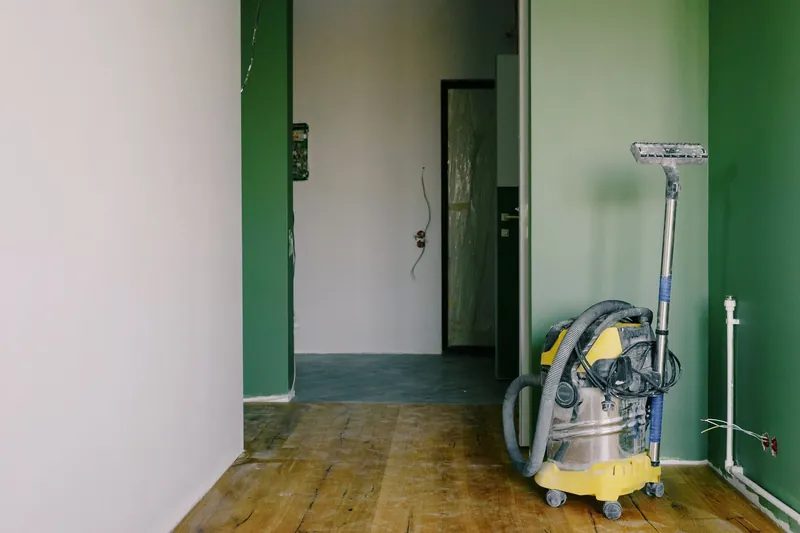
OSHA's Bloodborne Pathogens Standard, 29 CFR 1910.1030, establishes rules for training, exposure control, protective equipment and related procedures where workers may encounter blood.
EPA registration must support the way a disinfectant will be used. Follow the label requirements for the organism, surface, method of application and complete contact period.
Florida calls it biomedical waste, and the term covers absorbent materials saturated with blood or body fluids. The Florida Department of Health's rules control packing, transport and treatment, so it cannot go in household trash.
Local health and building rules can affect how a contaminated room is cleaned and when it can be used again, so mention any notice you have received from the city or county.
The full biohazard carpet and upholstery cleaning guide covers what is cleaned or removed, odor and air quality work, and the rules that apply in Florida and Pinellas County.
Read the full biohazard carpet and upholstery cleaning guide
Local housing, population and access details can shape containment, access and cleanup planning.
Harris Park is listed about 3 miles from Orlando Health Bayfront Hospital, a useful distance to know when someone needs a medical check after a biohazard exposure.
Neighboring communities include Greater Grovemont, Euclid Heights, and Magnolia Heights. If the property is near a boundary, mention the closest cross streets.
Neighborhood level directions help narrow the location, but crews still need entrance details before bringing containment and cleaning equipment inside.
Ask on the call about cleanup options for neighboring communities and ZIP codes.
Blood cleanup on carpet, hard floors, walls and furniture with safe disposal.
See blood cleanup
Blood spill cleanup addresses fresh or dried blood spills of every size.
See blood spill cleanup
Bodily fluid cleanup and disinfection for homes, care settings and businesses.
See bodily fluid cleanup
Human feces cleanup and disinfection in homes, rentals and public restrooms.
See human feces cleanup
For furnishings, flooring and subfloors, urine cleanup includes odor removal.
See urine cleanup
Disinfection after vomit cleanup keeps norovirus and other germs from spreading further.
See vomit cleanup
Biological remediation that removes contamination and returns a space to safe use.
See biohazard remediation
Air scrubbers, hydroxyl and ozone treatment support death odor removal at its source.
See death odor removalAvoid using either a home vacuum or a rented carpet extractor for biohazard cleanup. Using the machine can drive liquid deeper into padding, release dried residue and contaminate the equipment's interior. Keep people away, leave the carpet in place and arrange an assessment when the spill is more than a few drops or reached hidden layers.
Even after drying, blood must be considered a potential infection risk. According to the CDC, hepatitis B can remain viable on a surface for at least seven days. Keep off the area and do not vacuum or brush it. Those activities can move contamination and expand the space that requires cleanup.
Technicians find how far liquid spread by checking the fabric and seams as well as internal foam, batting and frame components. Reachable affected material may be cleaned, then treated according to a label that permits the intended use. If contamination extends far into foam or the frame cannot be accessed, taking out the item may be safer than treating only its surface.
Sometimes. A carpet can sometimes undergo cleaning when the contamination is contained, reachable and able to tolerate the appropriate cleaning and disinfection techniques. If fluid reached the backing, padding, tack strips or unfinished subfloor, one or more layers may need removal. The choice cannot be made dependably without an inspection.
Published guides do not list a carpet-specific figure. The cards on this page show broad general biohazard cleanup comparisons. Your actual scope depends on the affected area, depth, materials, waste and restoration needs, so an on-site inspection is needed before the cost can be set.
No. Material condition, elapsed time, contamination depth, quantity and type all shape the decision. In some cases, workers can treat the carpet's fibers but must take out the impacted pad. The safer choice is removal when treatment cannot access contaminated layers or the affected material is incompatible with proper disinfection.
You can request respectful, discreet biohazard carpet and upholstery cleaning 24 hours a day, and crews use unmarked vehicles.