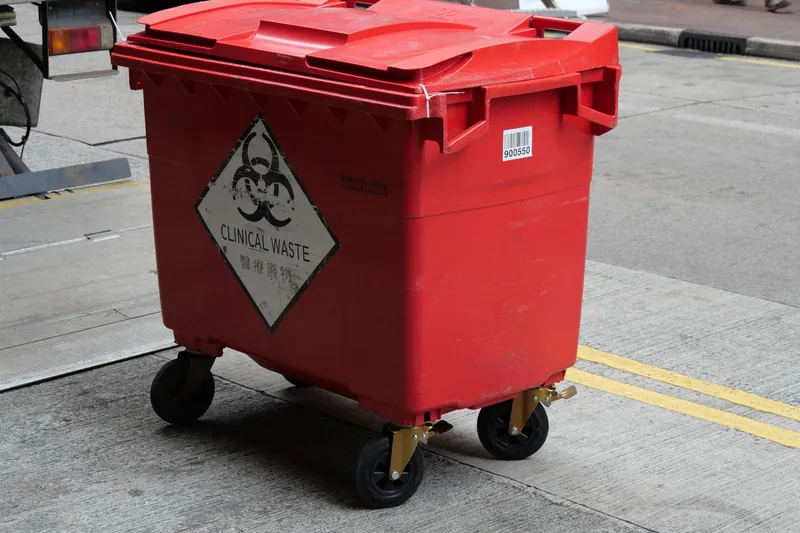
Medical Waste Removal
After medical waste removal, disposal takes place through approved treatment facilities.
See medical waste removalGet blood, bodily fluids and contaminated materials cleaned from a hospital, clinic, dental office, laboratory or care facility in Lakewood Terrace. The affected area is contained, cleaned, disinfected and documented.
Hospital and healthcare biohazard cleanup is the controlled removal of blood, bodily fluids and contaminated materials, followed by cleaning and disinfection of the affected space.
When routine environmental services cannot manage a spill or emergency response, professional cleaning services may be needed. Work may occur in hospital rooms, urgent care centers, laboratories, clinics, dental offices, dialysis centers, nursing homes and other care settings. Its purpose is to restrict entry, clear visible material, disinfect surfaces that can be cleaned and send packaged waste through the proper route.
A cleanup team first identifies the affected area and the surfaces involved. The entire process separates cleanable surfaces from materials that cannot be saved. Hard, non-porous materials may be cleaned and disinfected. Carpet, ceiling tile, unfinished wood, wallboard and other porous materials may need removal when contamination has soaked in. Sharps, medicines, hazardous materials and soft contaminated waste are kept in separate waste streams.
When discretion is important, crews use unmarked vehicles and follow a planned route for equipment that reduces attention around occupied spaces.
Before the space returns to use, your facility contact checks containment, protective gear, cleaning, disinfectant contact time and separate waste handling.
When comparing cleaning services, ask how the scope will describe the affected area, the surfaces that can stay, the materials that may need removal and the steps that affect cost. Clear answers help you compare the options.
Available waste records, allowed photos and scope details are arranged to help the insurance company, property representative or your administrator check the cleanup.
Hospital biohazard cleaning becomes necessary when intended containment no longer holds blood or another potentially infectious substance, allowing it to reach an item, surface or room. Common examples are:
Shared spaces and resident rooms can hold contaminated soft materials, blood or other bodily fluids that must be removed with care.
Vomit, urine, feces or other bodily fluids can affect waiting rooms, exam rooms, restrooms and staff areas.
Dental offices, laboratories, outpatient centers and other medical spaces may need cleanup after a spill, damaged waste container or unexpected event.
When routine surface care cannot address contamination, an injury or a medical event, the room may need biohazard cleaning.
Protect people and follow the facility's exposure control plan before anyone begins cleaning blood in a hospital or healthcare space. If law enforcement is involved, wait until the area is released. Take these first steps:
Call (888) 351-0904Healthcare biohazard cleanup has no published price of its own. For a reference point, Fixr gives $3,000 to $5,000 as the usual national figure for general biohazard work. Smaller jobs start near $1,500 and large ones can reach $25,000 or more. Those figures are context only. A facility price follows an assessment of the affected area.
These national ranges are taken from published cost guides, rather than a property visit. After an on-site assessment, the price for your property is determined and shared with you before cleanup begins.
Ask about cost: (888) 351-0904Insurance coverage varies with the contamination's cause, facility policy and any agreement assigning responsibility. A sudden incident is treated differently from routine cleaning. Clear records allow insurance companies to evaluate the loss and help you take the next step.
Routine environmental cleaning and recurring medical waste pickup are generally planned facility expenses. Your facility contact or administrator can identify the right account to use.
Keep the cleanup scope, permitted photos, invoices and available waste records. Before disposal or repairs alter the affected area, confirm the required documentation with the adjuster.
A lease for clinical space may state whether the property owner or tenant is responsible for cleanup and structural repairs. Check the lease, then notify the property representative before taking out any structural material.
Confirm policy eligibility with the insurance company for cleanup, removed items, waste disposal and any associated restoration. Document what caused the event and record your claim number.
This cleanup process follows a controlled order that protects the surrounding areas and keeps the work clear for facility staff. Hospital cleanup involves every step from assessment and containment through disinfection, waste packaging and a final check. The exact scope depends on the material, the surfaces and the facility's own procedures.
Cleanup technicians first verify what occurred, define the affected area and identify chemicals, absorbent materials, bodily fluids, blood and sharps.
To keep unnecessary traffic away from surrounding rooms or equipment, the area is restricted and a clean entry route is planned.
Instead of applying one standard setup to every situation, crews select protective clothing, gloves, eye gear and respiratory protection suited to the exposure.
The first step is absorbing and removing visible material. Work moves inward from the outer boundary so liquid is not carried into floor joints or surrounding surfaces.
Crews wash surfaces that can be cleaned, apply an EPA-registered disinfectant and maintain wetness for all of the contact time on the label.
Careful removal is used for porous materials that cannot be cleaned completely. Separate waste routing is maintained for soft materials, sharps, chemicals and medicines.
Crews put hazardous waste into the appropriate sealed container and avoid compacting bags or combining incompatible substances. The exterior is checked before it leaves the work area.
After your facility contact examines the work area, available records for waste, project scope and photos are prepared for the facility's files.
Call at any time. A specialist in hospital and healthcare biohazard cleanup takes your call, explains each step and agrees on a start time with you.
Blood and bodily fluids can present serious health risks, as can loose sharps and unseen contamination, when unsuitable equipment or an incorrect cleaning sequence is used.
HIV and hepatitis B and C can be present in blood. The CDC says hepatitis B can survive on surfaces for at least seven days, so dried blood still requires proper precautions.
An exposed work zone may cause unwanted attention and affect patient care. To reduce unnecessary foot traffic and help safeguard patients, loved ones and personal property, keep boundaries clear and move supplies discreetly.
Beneath furnishings, under wall trim and along floor seams, liquid can spread out of sight. Treating just the central area you can see may leave contaminated material in place.
Can you clean it yourself? Under your facility's blood spill procedure, prepared and assigned staff may address a small spill affecting a non-porous hard surface. Request professional cleanup and restrict the space when contamination involves porous material, loose sharps, an unclear boundary or more work than the facility can manage.
No single schedule applies to hospital biohazard cleanup. A spill limited to cleanable hard surfaces can require less time than an event involving several rooms or contamination under porous flooring. Access within the facility may also alter the timing.
| Scene | Typical time on site |
|---|---|
| Contained spill on cleanable surfaces | A final check follows assessment, cleanup, contact time and material removal, and all affect when work finishes |
| One room with porous materials | Coordinating restoration services or repairs, packing waste and completing removal can lengthen the job |
| Several areas or separate waste streams | Containment, access planning and staged work create a longer schedule |
A lingering odor can indicate that affected material remains inside a porous surface, seam, nearby object or waste container. Source removal is the starting point for odor control because fragrance cannot clean contamination. Restrict access to the impacted space before any air treatment begins.
Hard surfaces can undergo cleaning and disinfection for the complete labeled contact time once the source is gone. During controlled work, HEPA air cleaning may collect particles from the air, although it cannot substitute for cleaning surfaces. When odor has spread, crews inspect nearby rooms and HVAC returns beyond the original space.
The OSHA Bloodborne Pathogens Standard, 29 CFR 1910.1030, sets requirements for protective equipment, training, exposure control and work practices when workers may contact blood.
Apply a disinfectant registered by the EPA for use on the specific surface and target organism. The surface must remain wet for the full contact time on the product label.
Florida calls it biomedical waste, and the term covers absorbent materials saturated with blood or body fluids. The Florida Department of Health's rules control packing, transport and treatment, so it cannot go in household trash.
Local health and building rules can affect how a contaminated room is cleaned and when it can be used again, so mention any notice you have received from the city or county.
The full hospital and healthcare biohazard cleanup guide covers what is cleaned or removed, odor and air quality work, and the rules that apply in your state.
Read the full hospital and healthcare biohazard cleanup guideLocal population patterns, housing and site access may affect how containment and cleanup are planned.
For an injury during discovery, St. Anthony's Hospital is the nearest listed hospital at approximately 0.4 miles away.
Lakewood Terrace is near Bayou Highlands, Harbordale, and Coquina Key, so say which town or neighborhood the property is in when you share its address.
Properties within this Saint Petersburg neighborhood may share alleys, entries, or parking, so equipment movement should be planned around nearby residents.
Your phone conversation can include questions about service in nearby ZIP codes and communities.
After medical waste removal, disposal takes place through approved treatment facilities.
See medical waste removal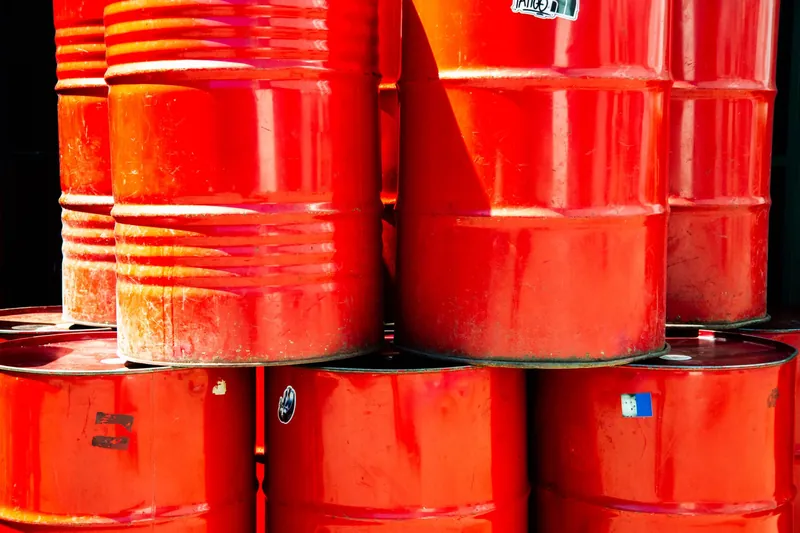
Sealed containers with labels hold biohazard waste during collection and disposal.
See biohazard waste disposal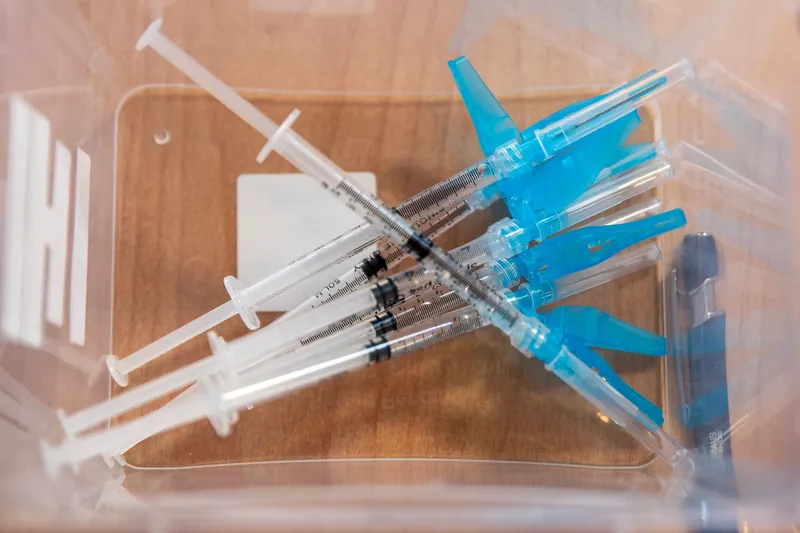
Needles and other sharps are removed from rentals, yards, encampments and parks.
See needle and sharps cleanup
Blood spill cleanup addresses fresh or dried blood spills of every size.
See blood spill cleanup
During cleanup, blood exposure involving hepatitis C, HIV and hepatitis B is controlled.
See bloodborne pathogen cleanup
Bodily fluid cleanup removes fluids and disinfects affected areas in businesses, homes and care settings.
See bodily fluid cleanup
Disinfection for infectious disease uses EPA-registered products with complete coverage of surfaces.
See infectious disease disinfection
Planning for industrial and commercial biohazard cleanup considers operations and access to the site.
See commercial and industrial biohazard cleanupYes, dried blood still requires bloodborne pathogen precautions. The CDC says hepatitis B can survive on surfaces for at least seven days. Do not scrape or brush dried material, which can spread particles. Close off the space and follow clinic procedures covering exposure control, blood spill removal, surface cleaning and disinfection.
Facility access and possible structural removal influence the schedule, along with the affected area, waste streams and surface types. A spill confined to hard material is simpler to address than contamination extending below flooring or throughout several rooms. Once assessment is complete, cleanup personnel should identify the work stages and explain where access is limited.
Every event and facility requires its own decision. A limited hard-surface spill can sometimes be addressed through the staff procedure. Routine cleanup may not be enough for broad spills, concealed contamination, loose sharps, broken waste containers or affected wallboard and carpet. Your exposure control plan should guide the first decision.
The event's cause, your facility policy and any lease or service agreement determine coverage. Cleanup after a sudden covered event may be treated differently from routine environmental cleaning or scheduled waste pickup. Report the event, keep the claim number and ask which cleanup, disposal and repair records the insurance company needs.
Choose products according to the type of surface and your facility's procedure. First remove any blood that can be seen. Afterward, use an EPA-registered disinfectant suitable for both the surface and organism for all of its labeled contact time. The exposure determines suitable protective equipment, absorbent supplies, tools and containers for waste.
A separate range for hospitals is not listed in published cost guides. Typical general biohazard cleanup runs $3,000 to $5,000 nationally, and published jobs range from about $1,500 to $25,000 or more. These amounts give context. Actual cost depends on access, affected materials, waste routes and the area's size.
You can request respectful, discreet hospital and healthcare biohazard cleanup 24 hours a day, and crews use unmarked vehicles.